About Justin Smith
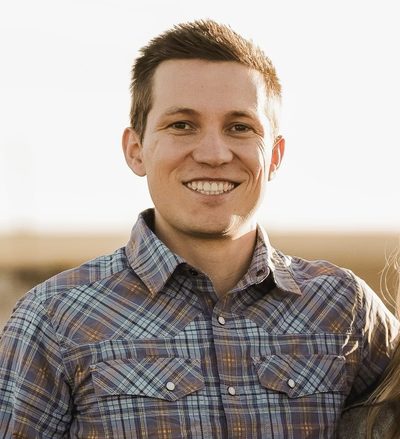
I'm Justin Smith, General Manager of Adventure Idaho in Riggins & Twin Falls, Idaho. I'm an operator who builds: for four years I've rebuilt one service business that had outgrown the way it was run, from the product outward: the crew, the demand, the pricing, and the systems underneath. I now do the same inside other businesses, on site, with the people who run them.
What I run, and what I built
I'm the General Manager of Adventure Idaho, a multi-site outdoor recreation company operating on federal and state permits in Idaho. I run operations, marketing and sales, I lead the seasonal team, and I designed the system the company runs on.
The operation
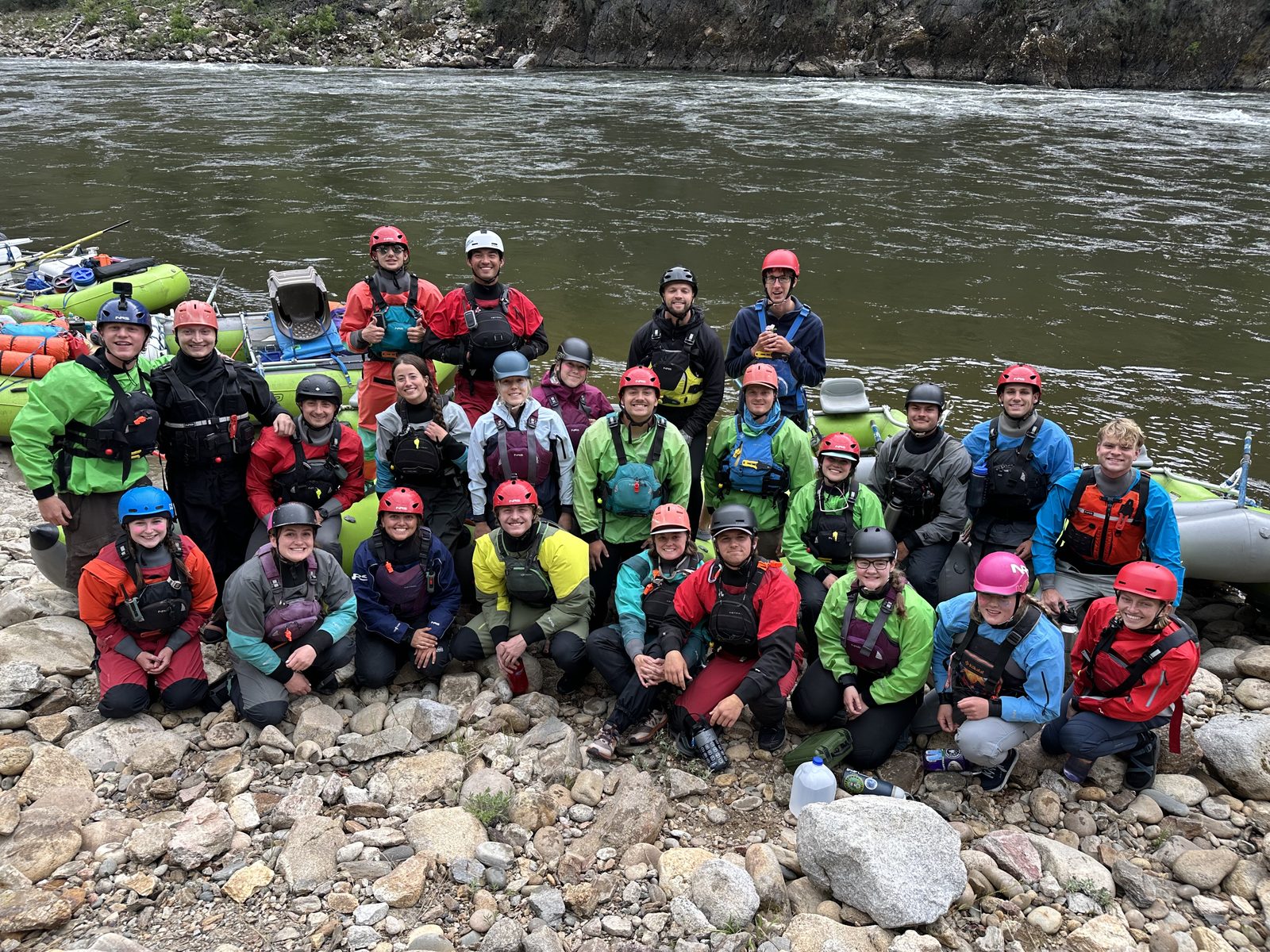
- 44 seasonal staff across two bases
- 272 people on the water at once on the busiest day, across 8 concurrent trips in two geographies about three hundred miles apart
- 663 guests launched in the busiest week
- 20 distinct trip products across 7 river sections, from a three hour float to a five day wilderness expedition. Different economics, different staffing, different failure modes
- 28 vehicles and trailers, plus a boat fleet across two bases, none of it dedicated to any one trip
- Guide licensing, certifications and compliance laps, tracked for every guide on every river section
- 300+ applications a season for a handful of guide spots
What changed
- Customers up 3.6x while raising prices
- Website traffic from ~17,000 to ~147,000 visitors a year, and an organic video library past 3.6M+ views, produced in house
- 5.0 stars across 650 Google reviews, the highest rated in the market
- When a policy change took our largest account, revenue concentration went from ~50% to under 20% in one season, with records broken by May
- 100+ guides through a training program that didn't exist before
- Two revenue lines the company didn't have before: a new trip product on a harder section of river, and an automated photo-sales business that runs itself
- One connected model of the whole operation, 44 tables and about 207,000 data points, tied into the platforms we already use by automations and connectors, with AI working inside limits a person sets and a record of every change. Weekly planning went from 20 to 40 hours to 2 to 4 hours
Building people, not just systems
The hardest build was the team. I run the guide-training program: an intensive multi-week bootcamp built on International Rafting Federation standards, live rescue and risk-response drills, and a library of 50+ real whitewater case studies that guides work through to sharpen decision-making under pressure. New guides train across everything from high-volume rapids to technical low water before they ever lead a boat.
What holds it together is the debrief culture. It's fighter-pilot style: honest, humble, and analytical, every hard situation broken down for what worked and what gets better next time. That culture is what drives operational excellence and consistency, and it's a big part of why the reputation held at 5.0 stars across 650 reviews while we grew. Software scales what a business knows. Training and culture scale what its people can do. The full version is here: building a guide-training program from nothing.
How I got here
At 22 I bought a locksmith business in Rexburg, Idaho. It was doing a few hundred dollars a month. I expanded the services, fixed the pricing, and built a crew that could cover calls around the clock, and revenue grew roughly 6x before I sold it. It was a very small business and I'd never call it an exit. But I found it, bought it, ran it, and sold it, and it taught me more about pricing and staffing than anything since.
In between I sold door to door, which is the fastest education in rejection and conversion available anywhere, and spent about a year working on international distribution and ecommerce sales operations. I also spent a couple of seasons guiding multi-day wilderness trips on the Middle Fork of the Salmon for a different outfitter.
What I believe
Fix the invisible leaks first
The money a business is losing quietly is almost always larger and easier to recover than the money it could win with a new initiative.
Build the system instead of repeating the work
The second time I do something by hand is the signal it should be a checklist, a template, or software, so the third time it runs without me.
Get the owner out of the critical path
A business that only works when one person remembers everything isn't a business yet, it's a job with employees.
Judgment over tools
Software, automations and AI are cheap now. Knowing what to automate, what to leave to a person, and what's worth modeling at all is the part that isn't.
The product is the marketing
The fastest way to grow demand is to make something worth talking about. A consistent operation produces reviews, referrals and repeat customers, and no amount of campaign outruns a product that's different every time.
Attention is built, not bought
Someone still has to write the hook. Getting found is a craft: knowing what makes a person stop, and then saying the true thing in the order that makes them care.
Those add up to an order I fix businesses in: the product, the people, demand, pricing, then the operating system underneath. The order, and why I will argue with you about it.
What I've written about this
One argument runs through it. Most companies bought AI and connected it to nothing, and the real gains come from connecting the business itself. Start with that essay. The background is in the expensive part was never the software, or read everything. What I'm working on this month is on the now page.
Other things
I'm an FAA-certificated private pilot. Aviation runs on checklists, and writing them was my first move at Adventure Idaho.
I'm an Eagle Scout and a licensed Idaho guide. I spent two years in full-time volunteer service in Southern California, I'm involved with the surf wave project in Twin Falls, and I'm working on manufacturing a new whitewater product.
I shoot photo and video, including FPV drone work.
Outside of work, I trail run and ski. Most of my competitive energy goes into Nordic skate skiing.
Email is always welcome. If you run a service business, or own a few of them, and the operation lives in someone's head, here's how I work. Otherwise, just get in touch.