I run and grow service businesses: the people, the demand, the operation, and the systems underneath.
I am Justin Smith, General Manager of Adventure Idaho, a multi-site outdoor recreation company in Idaho. Since 2022 the company has grown 3.6x in customers and holds a 5.0 rating across 650 Google reviews, and it runs on a system I designed across the platforms it already uses, connected by automations. I did the product, the demand, the pricing and the operation in one company, then built the system underneath all four.
- 3.6x customer growth since 2022, 1,279 → 4,709+
- ~147,000 annual website visitors, up from ~17,000
- 5.0★ across 650 Google reviews, #1 in market
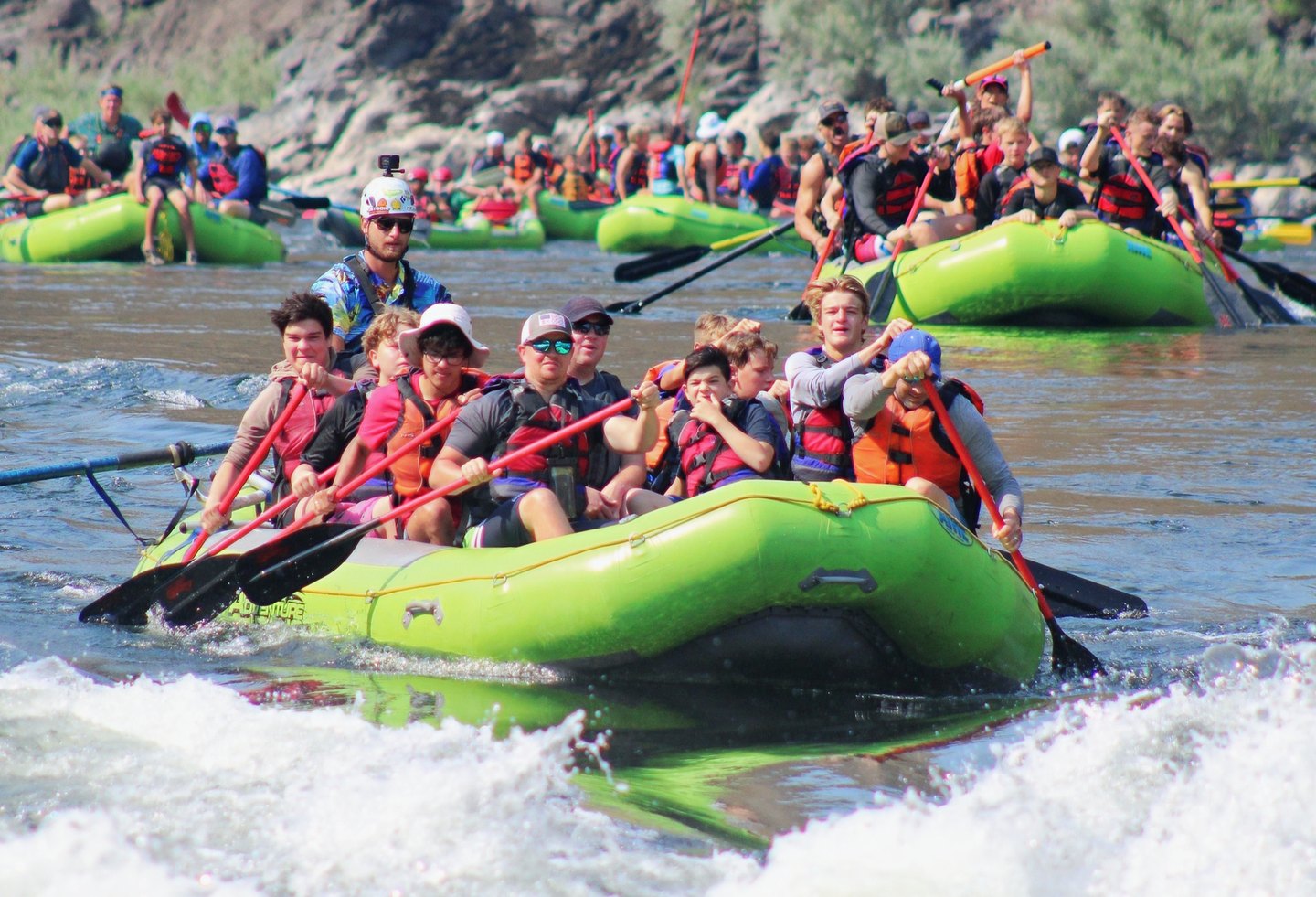
- 44 seasonal staff across two bases, 272 people on the water in one day
One company. Same management team. Demand, pricing, operations and the systems underneath, rebuilt together.
Most service businesses run on what one person remembers. The schedule, the exceptions, who is allowed to do what, which promise was made to whom. That works until it does not, and then the owner is the only thing holding it together.
That was never because owners are behind. Software shaped like a small business cost more than it saved, and the expensive part was never the code. It was writing the business down. That cost has collapsed, and the layer every service business is missing is buildable for the first time. Building it is mostly judgment: what to automate, what to leave to a person, and which platforms to connect rather than replace. I spent four years building it inside one company, in order: product, people, demand, pricing, then the operating system underneath all of it. I am now doing the same inside other businesses, on site, with the people who run them.
The order I work in, and I will argue with you about it
- The product. Make it the same every time, delivered by people who are not you.
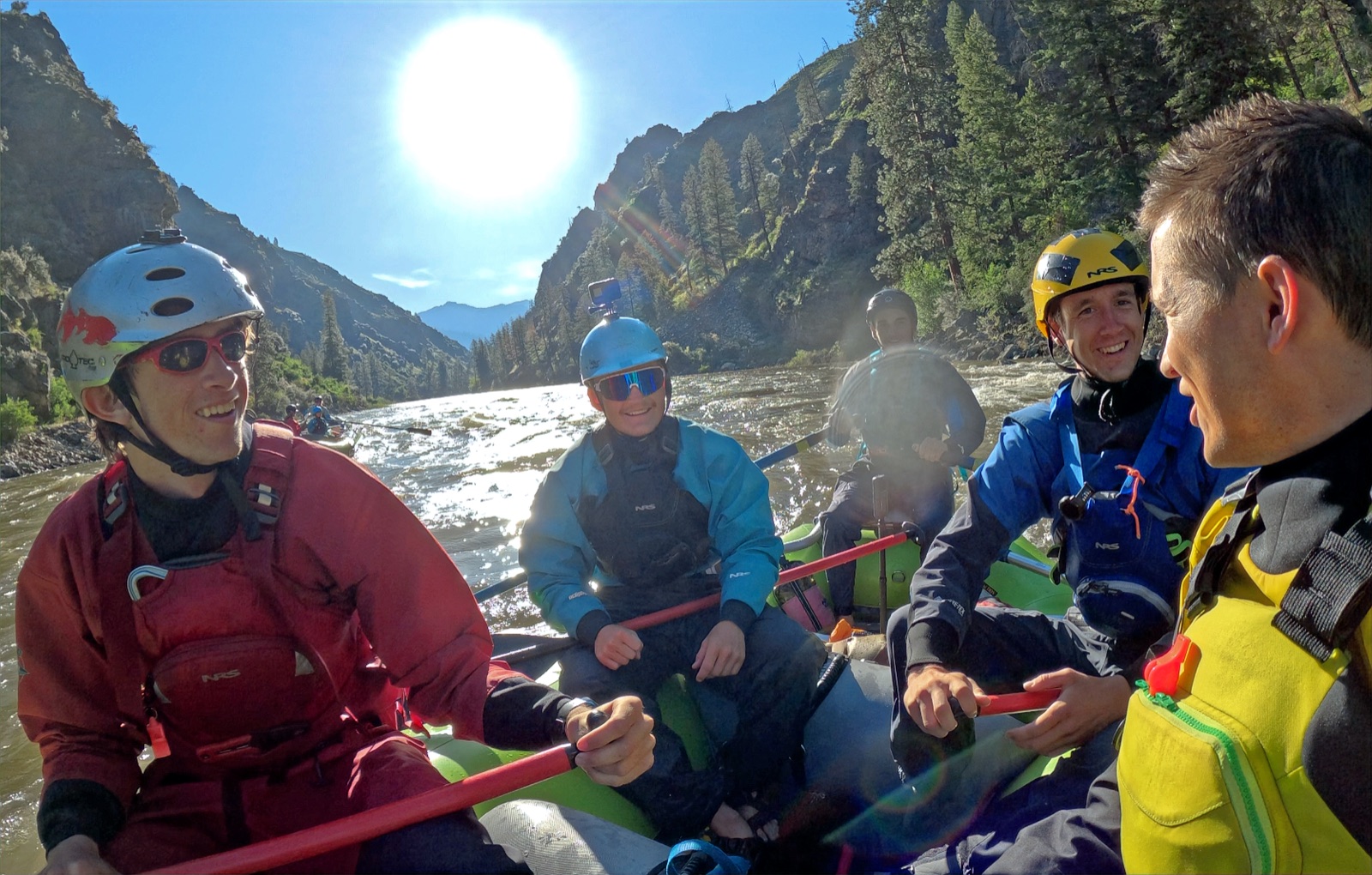
- The people. Training, standards and debriefs, so quality holds while the volume grows.
- Demand. Get found, get trusted, get chosen.
- Pricing. Raise it once demand has proved the product is worth it.
- The operating system. The process and the software underneath it, so growth stops running through one person's memory.
Most of the damage I see comes from doing these out of order. A demand engine pointed at an inconsistent product just manufactures bad reviews.
What I built
- Half the revenue base gone in FebruaryA policy change took the largest account. Records by May.
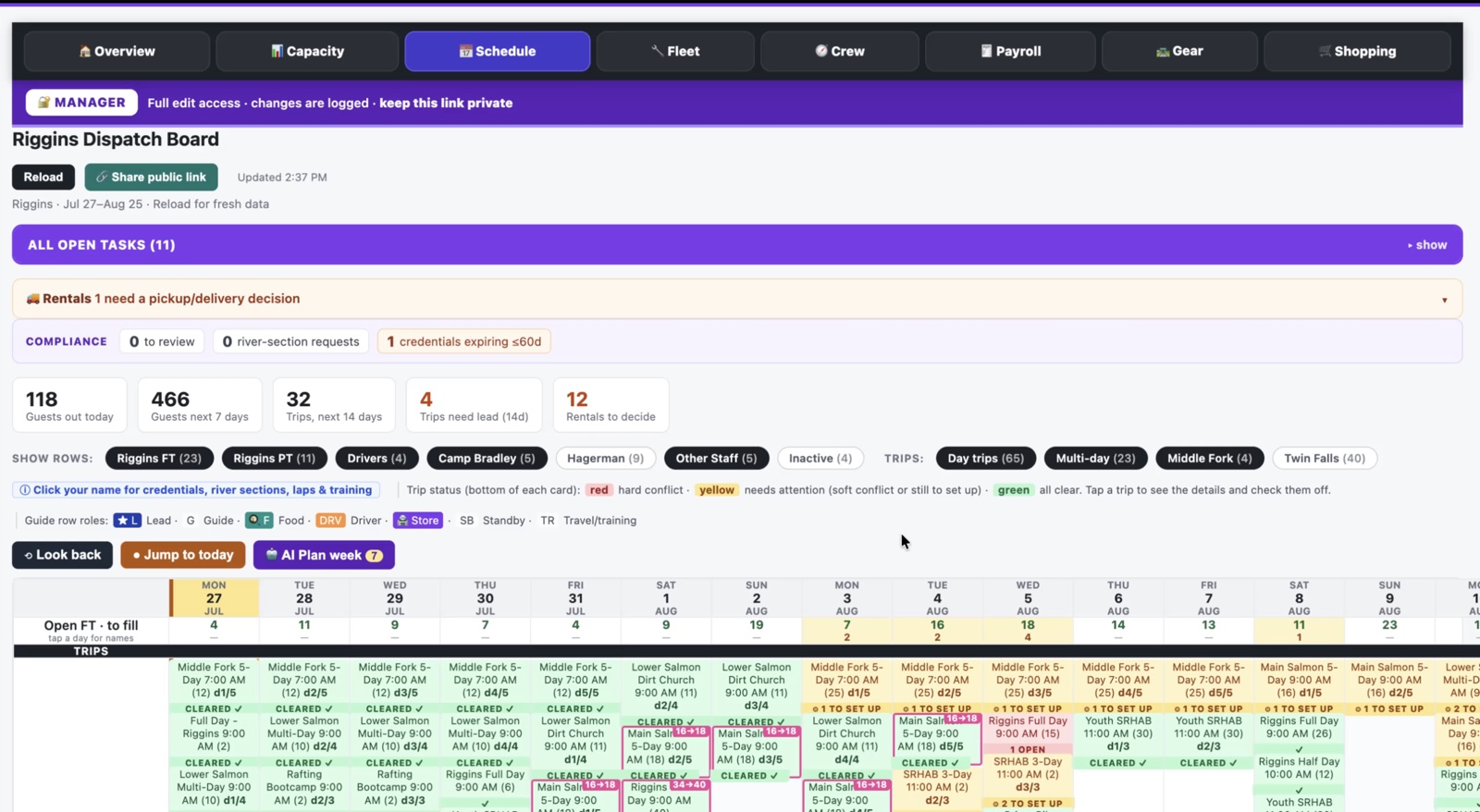
- The operating platformThe system that replaced whiteboard dispatch. Crew, vehicles, trips, food and compliance in one place.
- The demand engineFrom invisible to highest rated in the market, on content rather than budget.
- The sensor layerBookings, forms, radios and crew messages, read and reconciled against the live operation.
- Building a training program from nothingThe standards and debrief culture that held quality steady while the company tripled.
What I have figured out
- Everyone bought AI. Almost nobody connected it to the business.Companies bought the model, not the connection. What I'm seeing, with sources.
- I was the APIFor a few seasons most questions in the operation routed through me. What it cost, and how it stopped.
- Selling through machines to peopleMachines now decide who gets considered. What they read, and soon act on, is the operation underneath.
- From about 30 to about 1,800 AI search appearances a monthThe lever wasn't more content. It was an operation worth describing.
- You do not extract a business. You instrument it.I ran a test on my own company and failed it. Where the rules actually turned out to be.
- The expensive part was never the softwareWhy custom operating software never reached small businesses, and what changed.
- We stopped hiring for experience and started hiring for trajectorySeasonal crews in a town nobody commutes to. What we changed and what it cost to learn.
- How many trips can you actually run today?What you can actually run today, once gear, crew and permits all have to line up at once.
Ways in
- Run one of these businesses?I take on a small number of on-site installs for owner-operated service companies, fixed scope and fixed fee.
- Own several of these businesses?The same install, done the same way in each one.
- Know an owner who is the bottleneck?Send them my way. Two sentences is enough.
Right now
- The season. Closing out a record season at Adventure Idaho, and building the systems and training to run the next one better.
- On site. Installs for owner-operated service businesses and portfolio companies, built inside the operation with the people who run it, and written down as I go so the method stops depending on my instincts. What an install looks like.
- The research. Working out where a business's unwritten rules actually live, so an install starts from evidence instead of interviews.