Connected operations + AI integration for outfitters
Run great trips. Stop holding the whole operation together.
The bookings are in one system. The daily plan, customer conversations and crew changes are scattered everywhere else.
Everything runs through you.When you’re unavailable, decisions stall and details get missed.
The plan is scattered across whiteboards, spreadsheets and texts.
You keep entering the same information in different places.
I connect those pieces and put AI to work behind the scenes so your team can follow up on inquiries, catch plan mistakes earlier and spend less time chasing and retyping.
Start with your booking platform for reservations and payments.
At Adventure Idaho, the board is one view of a wider operating system. Guides can check their plan, while people still make the trip decisions.
The whiteboard and crew board at Adventure Idaho. Crew board names are redacted. The planning-time estimate shown in the image reflects the connected system as a whole, not the board alone.
Sound familiar?
Calls, spreadsheets, paper and texts each hold a piece of the day. In my operation, I connected crew planning, customer follow-up, field messages, issues and reporting around those gaps.
At the customer desk
Everything runs through your phone
Problem A missed call gets an automatic text, then everyone assumes someone followed up. The next call still depends on whoever has the phone.
Solution A shared call and text view can surface threads that still need a person, even if they look answered. Give each follow-up an owner and the context to reply.
Someone answered the phone. Now where are the details?
Problem The conversation happened, but nobody can find what was asked or promised.
Solution Available, permitted transcripts or summaries can join the customer context. Staff review the details, choose the next step and answer themselves.
Which inquiries became bookings?
Problem Calls, email and web inquiries arrive in different places. The office has to dig to see who replied and what happened next.
Solution Link available inquiry and booking context in one desk so staff can see source, status and the next follow-up. Uncertain matches go to a person.
The trip happened. The balance is still unpaid.
Problem The booking platform may have a report, but managers have to go looking for the balance while the next trips are already underway.
Solution A scheduled report can bring it into the team's daily conversation with booking and contact links. One person owns the follow-up; payment stays in the booking platform.
On the trip plan
The plan lives on paper and in one manager's head
Problem A guide offers to cover someone else's driving in a group message, but the whiteboard photo and spreadsheet still show the old assignment.
Solution Interpret the message against the planned movements, check conflicts and stage a change for a person to confirm. Then the crew-facing view shows the current plan. See the crew-message example.
Can we fit this booking?
Problem Checking if it fits takes forever. A group wants a trip between overnight launches; the manager has to track down river-qualified crew and check boats, vehicles, existing commitments and availability.
Solution A linked plan can show candidate windows, conflicts and missing answers. The manager checks with people and decides what to offer; staff confirm any booking in the booking platform.
The rig fits today but cannot make tomorrow's launch
Problem A trailer still needs to clear the takeout, drive to another put-in and reset. A guide may finish one run and launch another.
Solution Agreed travel, turnaround and qualification rules can flag a collision before a manager confirms the plan.
Changes get copied twice, then go stale
Problem The office cannot keep retyping changed booking details into whiteboards, crew texts and separate plans every time something moves.
Solution A linked database can keep agreed assignments and changes by date, so later staff can see who worked where and when instead of relying on an overwritten whiteboard. A supported feed refreshes the plan; people review conflicts and correct bookings in the source platform.
A field message lands on one sleeping phone
Problem A guide sends a satellite text that takeout timing has changed, but it reaches one manager while the rest of the team is planning from the old time.
Solution A supported relay can put the guide's message in the team conversation so the people handling the takeout see the update. See the field relay.
A vehicle or gear issue disappears into a text thread
Problem A torn boat tube or failed blinker is mentioned in a group chat, but no form is filled out and the next crew may not know.
Solution With approved access, AI can find issue reports in team messages and forms, link the asset and stage a task with an owner. A person checks repair and shopping-list decisions. See the sensor layer.
Behind the trips
Crew hours are scattered when payroll comes around
Problem Some teams reconstruct shifts and driving time each pay period from texts, group chats, spreadsheets and whiteboard photos.
Solution Linked work records can prepare a summary for staff to confirm before payroll. Your payroll process remains with your team.
The season is over. The paperwork isn't.
Problem Usage reports take a summer's worth of trip details and changes to reconstruct.
Solution Linked records can prepare a report draft and flag assumptions and gaps for a person to check.
In my operation, use reports that once took about two full days to assemble now generate as drafts in under two minutes after the records and rules were built. Flagged items are left for a person to verify. Your data and timing will differ. See the reporting example.
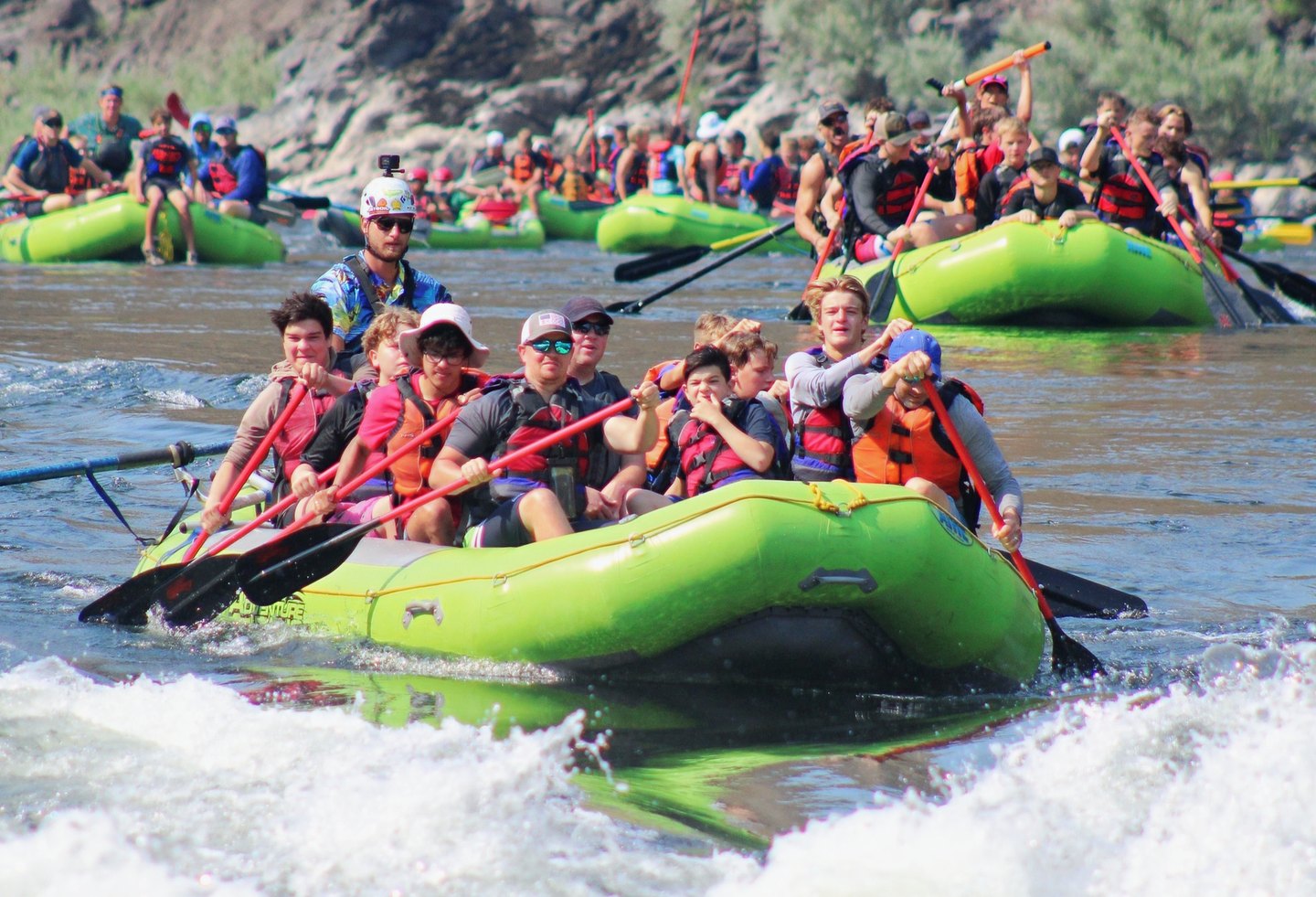
A busy day on the Salmon River.
Ask about your operation. Propose a change by voice.
The linked database brings customers, trips, crew, equipment and rules together. A manager can ask by voice which vehicles can go into the shop, or say a guide is covering a driving run. AI finds the relevant information and proposes a permitted change to operating records your team controls. Code checks conflicts and permissions; a person approves consequential changes. See the voice work.
We're in the people business. Don't put a robot between you and your customers. This isn't a chatbot answering the phone. AI helps the people who do, with customer context, follow-up and proposed operational changes for review.
What your staff uses
Customer deskConversations and follow-up
Manager boardTrip plan and exceptions
Crew viewRelevant work on a phone
Permitted action
Find answers. Propose checked changes.
AI can interpret a voice or text request; people approve consequential updates to team-owned records.
Checks underneath
Code checks rules, conflicts and permissions.
Known constraints are tested every time. Uncertain matches and stale data stop for review.
Shared foundation
Connected customer and operating records
Customers
Trip references
Crew and qualifications
Boats and vehicles
Operating rules
Booking platform, where access permitsEmailShared phone and texts, where supportedTeam group messages, if useful
Supported exports and approved connectors bring in agreed information. Known IDs link records; uncertain customer matches wait for review.
Exception lane: stale data, conflicts and uncertain matches
When sources disagree or a record is too old to trust, the system flags it with its source and last update. A person resolves it before a plan is treated as current.
Start with the work that matters most
On a free 20-minute fit call, we choose the job costing your office or field team the most attention. If the requirements and access are clear, I quote the build directly. If they are not, we can agree on an optional paid focused review of one problem, with written findings and a recommended scope. It is not a prerequisite.
We can start connecting systems before the season, then use the quieter weeks to clean up information, test workflows and train the team. There is no need to wait for trips to be running.
Initial implementation
$5,000 to $10,000
The examples above are options, not one bundled install. We choose and custom-scope the first job together, then write down the database setup, supported connections, testing, team training and handoff it needs.
A connected customer desk or a focused crew-planning workflow could be a starting point. Target one to two weeks once accounts, sample data and decision makers are ready.
Advanced scheduling, extensive data cleanup, additional integrations and custom apps can exceed this range. Software subscriptions, travel and optional ongoing support are priced separately.
Forward-deployed engineering, alongside your team
That means working with the people taking calls, planning trips and getting the crew out the door. I map the messy steps, build a linked database foundation, connect supported tools, test real situations, train staff and document the handoff. This is a hands-on implementation project, not a software subscription. We can work remotely and agree on-site time where it helps; timing and travel are set upfront.
Where your booking software ends
I review the provider's APIs, available connections and account limits, and speak with the provider where useful. Some platforms offer more useful exports and integrations than others, so we test what your account can share before agreeing to a build. Phone follow-up, field messages and your own operating records may be useful even without a booking feed. We start with your current booking platform in charge of reservations and payments. If another platform would offer enough benefit to justify the disruption, I can compare options and recommend a change. Booking, price, payment and sellable-inventory writebacks are outside the initial implementation.
Who keeps it running?
Your business controls its accounts, booking records and operating data. I document the connections, permissions, routine upkeep and the person responsible for each review queue. We practice with your staff before handoff, including how to inspect records and propose routine changes by voice or text, review what AI suggested and approve the right update.
A capable team can handle the agreed day-to-day record and rule updates in its own tools. Software connections still need maintenance. If you want me available to monitor and fix them, we can agree on a separate support scope, response window and time cap. Support is optional, and the first project does not include unlimited or around-the-clock coverage.
I put the selected workflows, handoff and software rights in writing before work starts.
Questions an outfitter should ask before starting
Do we have to replace our booking software?
Usually no. We start with what you use and verify its exports, APIs and account access. Some platforms are more open than others. If a change would materially improve the operation, I can compare alternatives and recommend one after weighing the migration work and disruption.
Why not just switch booking software?
Sometimes that is the right move. Some booking platforms already handle scheduling, payments and guide coordination well, so I first check what yours can do. The remaining work may still cross bookings, calls, texts, accounting, crew, vehicles and equipment. Someone has to connect those handoffs and handle exceptions. That is where forward-deployed engineering matters: we configure the useful tools, connect supported information and build the missing workflows alongside your team. The goal is fewer gaps falling back on you.
Can this find openings, assign guides or change bookings?
With the right records and rules configured, it can identify candidate openings and propose crew assignments while flagging conflicts or missing information. I recommend a person approve consequential schedule changes. Automatic execution or booking writebacks would need a separate scope, provider access, testing and approval controls; they are not included in the initial implementation.
What if our customer or crew records are incomplete?
We identify missing IDs, outdated qualifications and uncertain matches during discovery. The working views show those gaps rather than treating guesses as facts. If cleanup is larger than the agreed scope, I will narrow the first implementation or quote that work separately.
Can this really be set up in one to two weeks?
That is the target for a bounded scope with access, sample data, decision makers and staff time ready. Connector limits or cleanup can change the schedule. I give you a written scope and timeline after checking those dependencies.
Do we need a paid review before implementation?
No. If the first job and data access are clear after the free fit call, I can quote the build directly. An optional $500 to $1,500 focused review covers one agreed problem, with written findings and a recommended scope. Larger builds are quoted separately.
Will we need Justin every time something changes?
The handoff includes written routines and practice making approved updates in your own accounts. Your team learns to ask questions by voice or text, inspect the source records and review proposals. Optional maintenance can cover the connections and fixes your team does not want to own.
What happens when a feed is late or two records disagree?
The view shows the last confirmed source and raises an exception. A manager checks the booking platform or original message before relying on the proposed plan. The handoff includes a manual fallback and a named person to review those exceptions.
Start with the work that breaks most often.
Tell me where your office or crew is still rebuilding the same answer. I’ll help define a first scope and identify what the current tools can support.